GIS in Environmental Impact Assessment

Using GIS for Environmental Impact Assessment

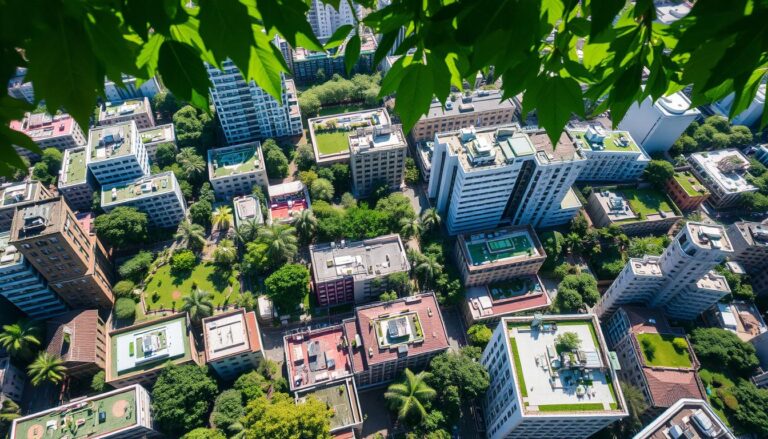
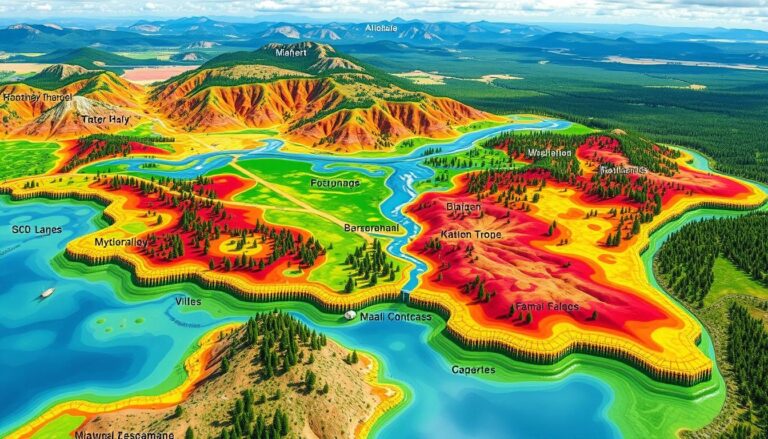
Geographic Information Systems (GIS) have changed the way we do Environmental Impact Assessments (EIA). GIS tools help us understand the environmental effects of projects. They make it easier for experts to tackle big environmental problems. GIS is great at handling spatial data. This includes things like land use and environmental resources. It helps us see…

GIS in Crime Pattern Analysis

Crime Pattern Analysis with GIS Tools

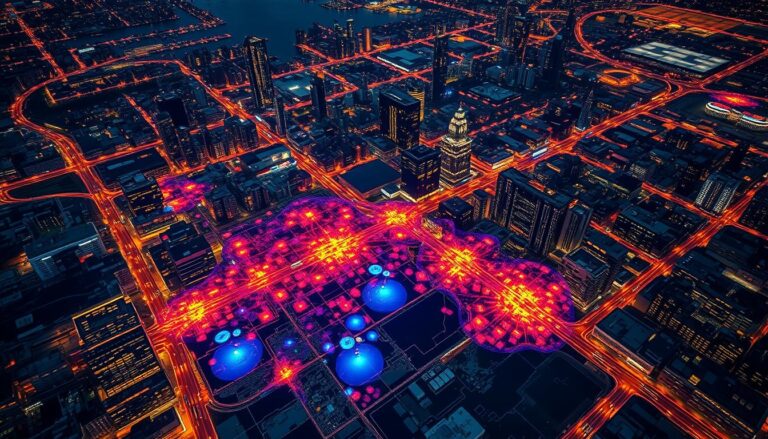
In today’s world, Geographic Information Systems (GIS) have changed how we look at crime. GIS tools help law enforcement and researchers find insights they couldn’t before. This article shows how GIS is key in making our communities safer. GIS has changed crime mapping and analysis. It lets law enforcement see and understand crime better. With…

GIS and Agricultural Productivity

Boosting Agricultural Productivity with GIS

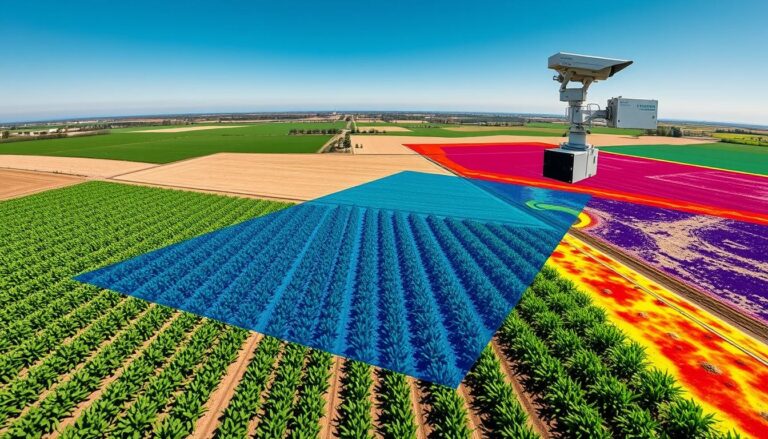
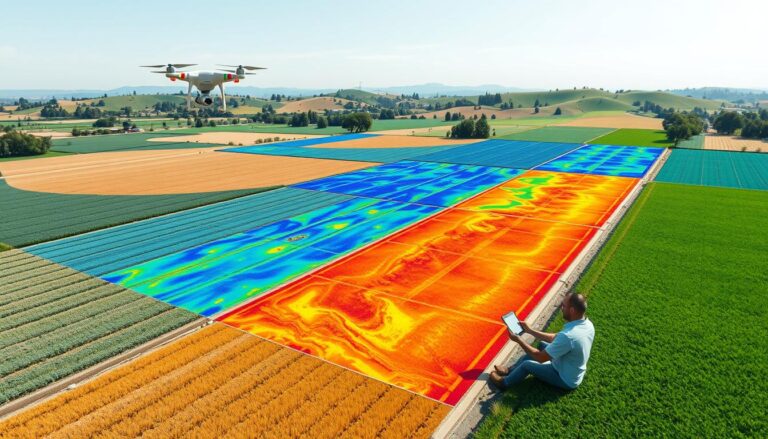
In today’s agriculture, Geographic Information Systems (GIS) is a big change. It helps make farming more productive and green. GIS mixes data with tools for analysis, changing how we manage crops and use resources. GIS lets farmers and experts use data to make better choices. They can use resources better and grow more crops. It’s…

GIS in Renewable Resource Monitoring

GIS in Renewable Resource Monitoring

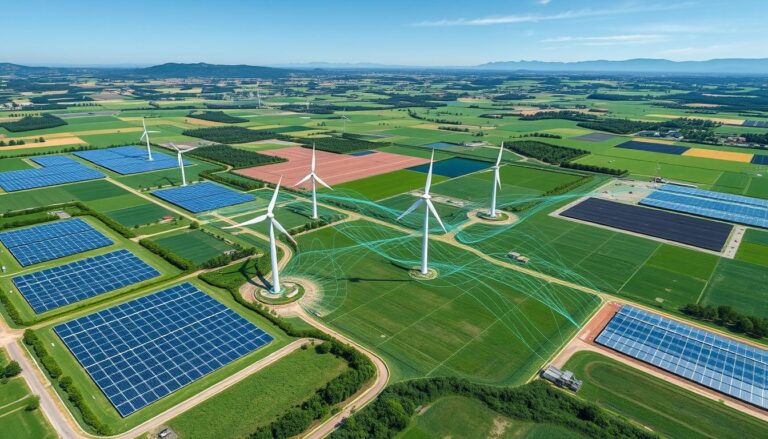
Geographic Information Systems (GIS) are key in our quest for a sustainable future. They help us monitor and manage renewable resources. GIS technology maps, analyzes, and tracks renewable energy assets. This makes decision-making more efficient and informed. GIS collects, organizes, and shows complex data from different sources. It gives a complete view of renewable energy…

Hydrological Modeling with GIS

Hydrological Modeling and GIS Applications

In today’s world, combining hydrological modeling and Geographic Information Systems (GIS) is key for managing water. Hydrological modeling helps predict water movement and quality. GIS, on the other hand, is great for analyzing and showing data on maps. This mix of technologies has changed how we handle water. It lets leaders make better choices with…

Remote Sensing for Deforestation Monitoring

Monitoring Deforestation Trends with Remote Sensing

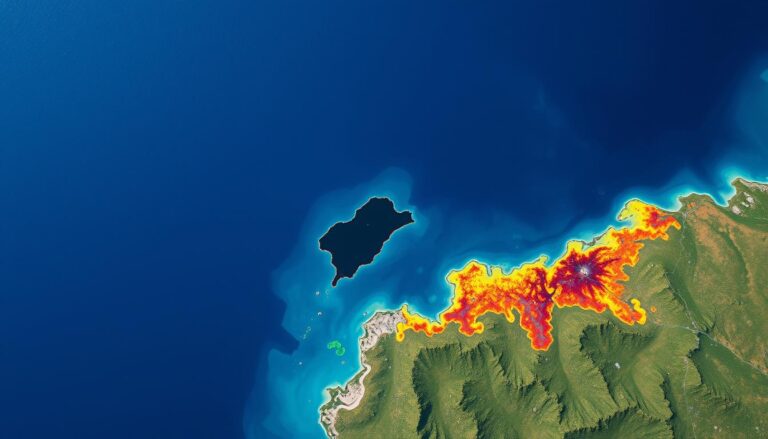
Deforestation is a big problem, causing a lot of harm to our planet. It’s making our forests disappear at an alarming rate. Luckily, remote sensing technology is helping us keep an eye on this issue. It lets us track deforestation trends with great accuracy and speed. Remote sensing is a science that helps us learn…

GIS for Urban Growth and Sprawl Analysis

GIS for Urban Growth and Sprawl Analysis

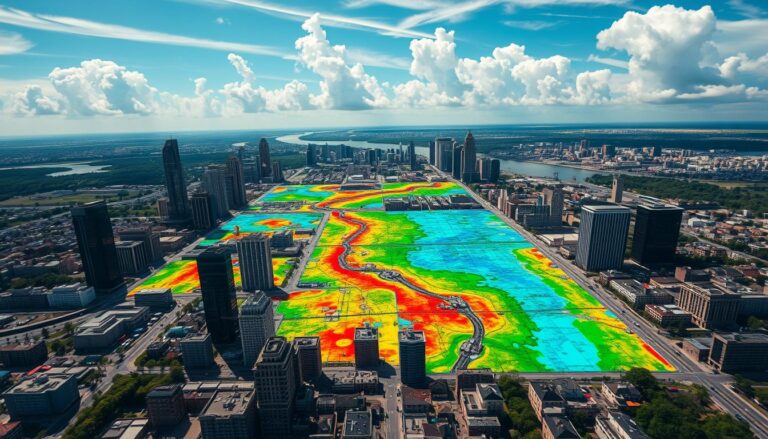
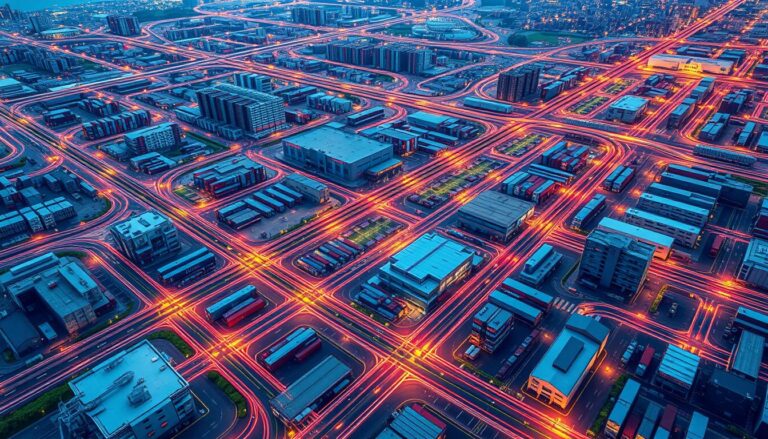
The world is changing fast, with cities growing quickly. This makes it crucial to understand and manage city growth. Geographic Information Systems (GIS) are key tools for city planners and policymakers. They help analyze how cities grow and tackle the issues of urban sprawl. GIS technology offers a detailed, data-driven way to plan cities. It…

GIS for Public Health

Using GIS for Public Health Mapping

Geographic Information Systems (GIS) are now key in public health. They help health experts and policymakers tackle big health issues. GIS uses spatial analysis to change how we watch over diseases, make healthcare easier to get, and do research on health. GIS mixes different data types, like people’s info and environmental factors. This helps health…