GIS for Cultural Heritage Preservation

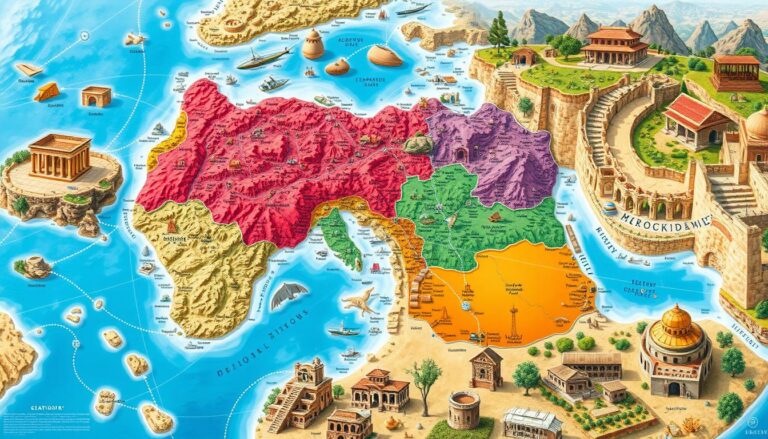
Exploring GIS for Cultural Heritage Preservation

In today’s fast-changing world, saving our cultural heritage is key. We must use new methods to document and protect historic sites, artifacts, and traditions. Geographic Information Systems (GIS) is a leading tool in this effort. GIS combines spatial data and analysis to help us manage and preserve cultural assets. It maps heritage sites, showing us…

Remote Sensing for Crop Disease Monitoring

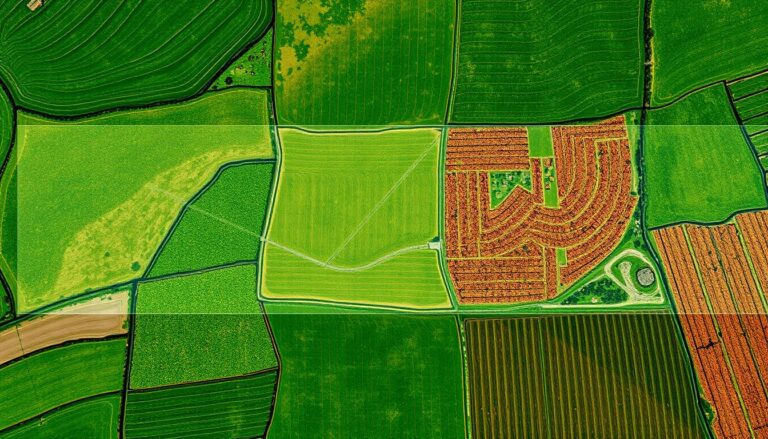
Remote Sensing for Crop Disease Monitoring

In today’s agriculture, keeping crops healthy is key. Remote sensing is a game-changer. It uses satellite images, aerial photos, and drones to spot diseases early. This helps prevent big losses in yield and profit. Remote sensing is now a must-have for farmers and researchers. It gives detailed, up-to-date info on crop health and the environment….

Biodiversity Conservation with GIS

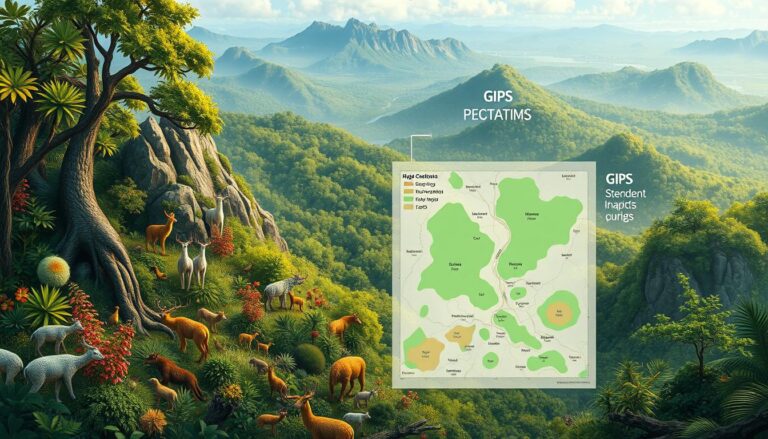
Conserving Biodiversity with GIS Tools

In today’s fast-changing world, saving our planet’s biodiversity is key. The threats to our natural habitats and ecosystems are growing. Innovative technologies, like Geographic Information Systems (GIS), are crucial for conservation. GIS gives scientists and conservationists powerful tools. It helps them monitor and protect endangered species and their homes. By combining data from satellites, remote…

GIS in Water Resource Management

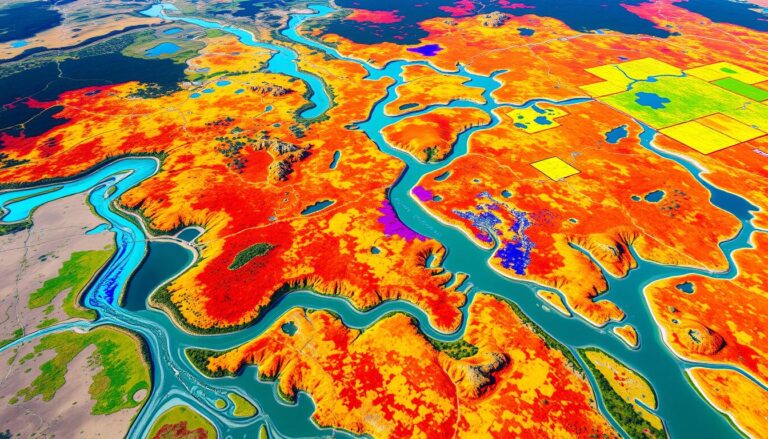
GIS in Water Resource Management

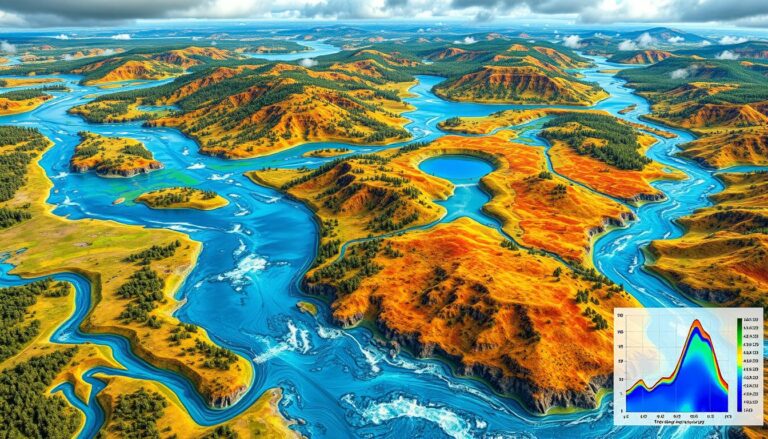
Geographic Information Systems (GIS) have become key in managing water resources. They help use water efficiently and sustainably. With water scarcity growing, GIS is vital for solving these problems. GIS helps collect, analyze, and manage water-related data. It lets decision-makers make better choices about water use. By combining data from various sources, GIS offers a…

INDVI Google Earth Engine

INDVI Estimation using Google Earth Engine

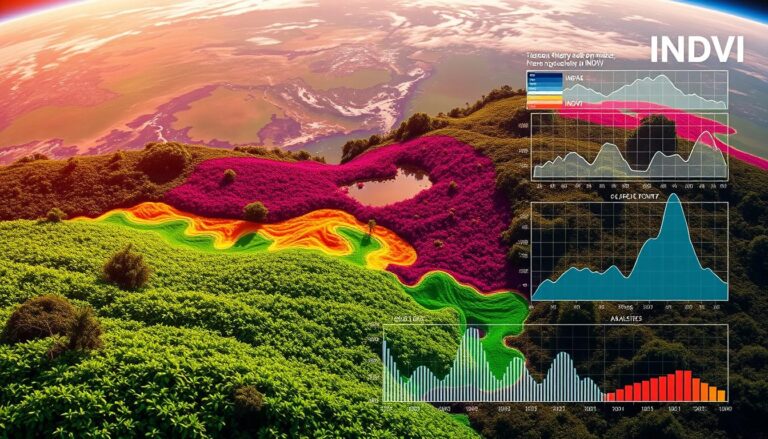
The Normalized Difference Vegetation Index (NDVI) is a key tool in remote sensing. It helps us understand vegetation health and where it grows. This guide shows how to use Google Earth Engine to estimate INDVI. It covers the basics, uses, and history of this important index. Key Takeaways Understanding NDVI and Its Importance in Remote…

Multispectral vs Hyperspectral imagery

Multispectral vs Hyperspectral Imagery Key Differences

In the fast-changing world of remote sensing, knowing the difference between multispectral and hyperspectral imagery is key. Both are important for collecting and analyzing data. They help in many areas, like watching the environment and improving farming. It’s important to understand their differences to pick the right tool for the job. Key Takeaways Understanding the…

Spatio-Temporal Analysis of Population

Spatio-Temporal Analysis of Population

In today’s fast-changing world, knowing how populations move is key for leaders, city planners, and researchers. Spatio-Temporal Analysis of Population uses Geographic Information Systems (GIS) to see how people move and change over time and space. It helps us understand where people live, how they move, and how they change, guiding better decisions and use…

Flood Risk Assessment Using GIS

Flood Risk Assessment Using GIS

Climate-related disasters are on the rise, making flood risk assessment more important than ever. Geographic Information Systems (GIS) are key tools in this effort. They provide insights and capabilities to understand, visualize, and reduce flood risks. GIS has become a game-changer in disaster management by using advanced geospatial technologies. GIS plays a vital role in…

Geospatial Data Mining for Predictive Analysis

Predictive Analysis with Geospatial Data Mining

In today’s world, using location-based information is key for businesses. Geospatial data mining mixes spatial analysis and predictive modeling. It changes how we make decisions and find important insights. This article looks at how location-based data helps make forecasts for better decision-making. Geospatial data includes info about where things are and their attributes. It’s valuable…