Top Solar-Powered Charging Devices for Field Workers
Field workers often struggle to keep their devices charged, mainly in areas far from power. Portable solar chargers are a great fix. They let workers stay connected and get their work done.
Off-grid charging solutions are vital for field workers. They need their devices for talking, finding their way, and collecting data. Solar chargers are a green and effective way to power their tools.
Key Takeaways
- Reliable power supply is key for field workers.
- Portable solar chargers are a smart choice.
- Off-grid charging boosts work efficiency.
- Solar energy is a green power source.
- These chargers are critical for remote work.
The Power Challenge for Field Workers
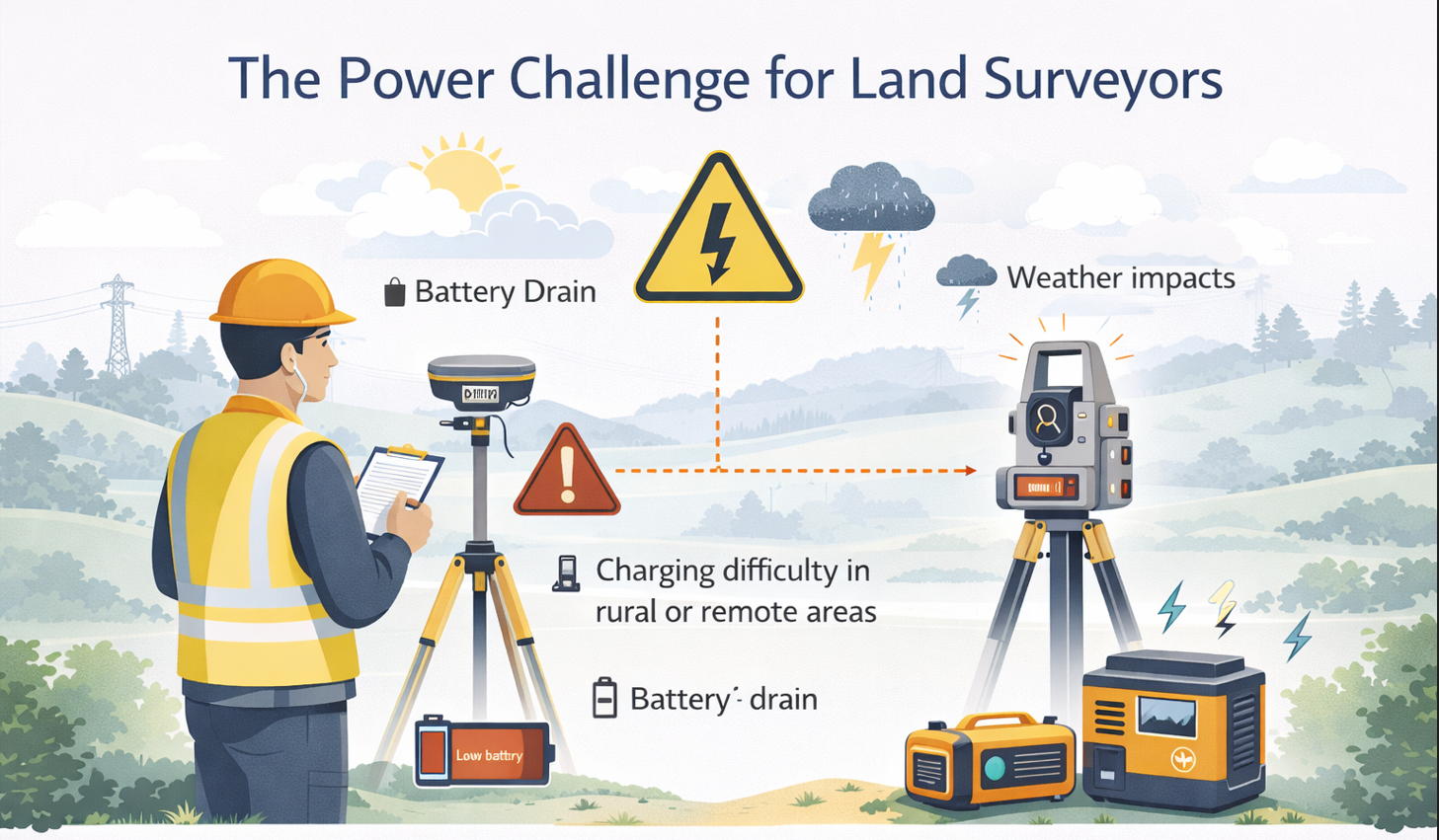
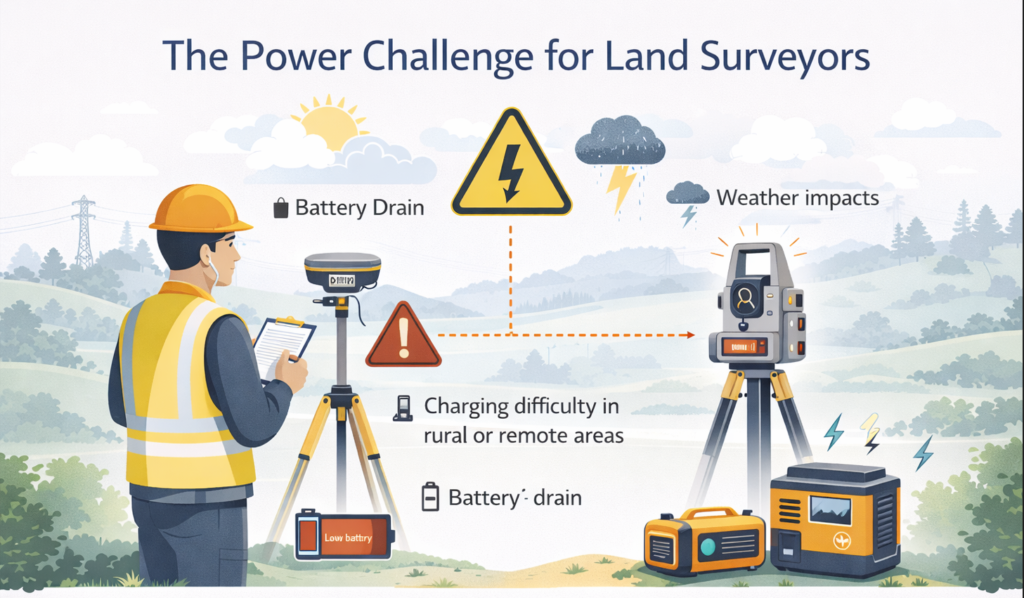
Field work is tough and needs reliable power. But, old ways like batteries and generators often don’t cut it. Workers in construction, surveying, and environmental science often find themselves without power in remote spots.
Portable Charger Amazon BestSeller


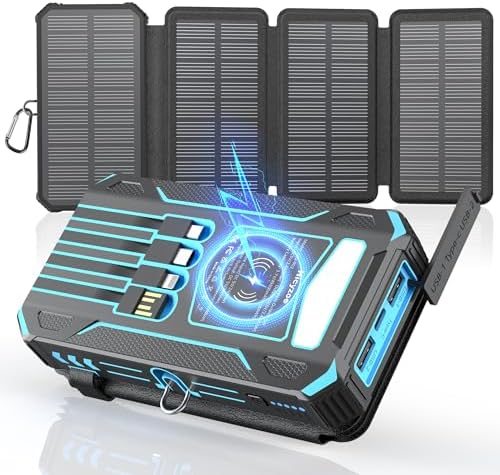
Our Best Picks for Best Portable Power Station
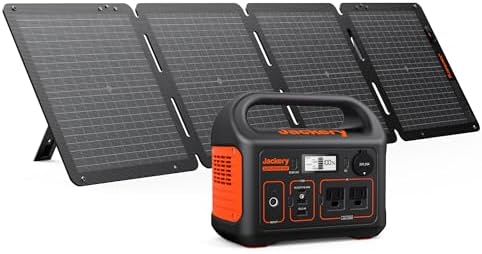
- SPEED UP YOUR RECHARGEABILITY: It takes only 2 hours to recharge 80% battery of the power station through the wall outle…
- SAFE & STEADY POWER SUPPLY: Armed with a 293Wh lithium-ion battery pack, the Explorer 300 features 2 Pure Sine Wave AC o…
- POWER YOUR EXPECTATIONS: Featuring 2* AC outlet, 1* PD 60W USB-C port (input/output supported) , 1* fast charge 3.0 port…

- Clean, Green Charging. With up to 500W of solar panel input, DELTA 2 is a solar generator that can be charged while camp…
- Built to Last 6x Longer. Its LFP battery chemistry makes for a portable power station with a 3000+ cycle life. Enough fo…
- Power Almost Anything. Solar powered generator have come a long way. Power all your appliances with 1800W output, that’s…

- Simultaneous Charger: All Ports Charge At The Same Time. allows you to quickly power multiple batteries without waiting …
- Battery charging station charges 12V MAX*, 20V MAX*, and FLEXVOLT 20V/60V MAX* Batteries. Compatible with a wide range o…
- DEWALT 20v max battery charger: 8 Amps Output Per Port (simultaneously) With a robust 8 amps output per port, you get fa…
Why Traditional Power Sources Fall Short in the Field
Old power sources have big downsides. They’re heavy, pricey, and not always reliable, even in bad weather. For example, batteries lose charge fast in cold, and generators are hard to move. Sustainable charging solutions are key for field workers now.

The Rise of Solar Solutions for Remote Work
Solar energy for outdoor workers is a new, better choice. Solar chargers are reliable, affordable, and green. They can power many devices, from phones to special tools, making them perfect for field work. Here are some solar solution benefits.
| Feature | Traditional Power Sources | Solar-Powered Solutions |
|---|---|---|
| Reliability | Often unreliable in harsh conditions | Consistent power generation |
| Portability | Can be heavy and cumbersome | Lightweight and portable |
| Environmental Impact | Can be polluting | Eco-friendly |
Solar-Powered Charging Devices for Field Workers: Technology Overview
Solar-powered charging devices are changing how field workers stay connected and productive in remote areas. They use the sun’s power to give a reliable and green energy source.

How Solar Charging Technology Works
Solar charging tech turns sunlight into electrical energy with photovoltaic (PV) cells. These cells release electrons when hit by sunlight, creating an electric current. The current is then controlled and stored in a battery or used to charge devices.
John Smith, a renewable energy expert, says, “Solar charging tech has gotten much better. It’s now a good choice for field workers needing power in remote spots.”
Key Features to Consider for Field Applications
When picking solar-powered charging devices for field use, look at a few important features. These include the device’s power output, battery size, durability, and weather resistance. For example, a device with high power and a big battery can charge many devices fast.
A durable and weather-resistant design is also key. It makes sure the device can handle tough field conditions. A study found, “The durability of solar-powered charging devices is key for their use in field settings.”
Knowing how solar charging tech works and what features to look for helps field workers pick the right devices. This ensures they stay powered and productive in the field.
Portable Solar Panels
Portable solar panels are changing how field workers, like land surveyors and geologists, work. They can charge equipment in places without power. This lets workers keep going without a hitch.
BigBlue 28W Portable Solar Charger
The BigBlue 28W Portable Solar Charger is a top pick for field workers. It’s tough and efficient, giving power in many situations.
Key Features
- High Conversion Efficiency: It converts sunlight into power well, even when it’s not perfect.
- Durable Construction: Made to last, it can handle tough field work and weather.
- Multiple USB Ports: Charge many devices at once with its USB ports.
Performance in Field Conditions
In the field, the BigBlue 28W Portable Solar Charger works great. It gives steady power. Its small size and strong build are perfect for land surveyors and geologists in tough spots.
Anker 21W PowerPort Solar
The Anker 21W PowerPort Solar is also a favorite for field workers. It’s small and charges well.
Key Features
- Compact and Lightweight: Easy to carry, it’s great for long trips.
- Efficient Charging: Charges devices fast, making it handy.
- Durable: Built to last, it’s ready for outdoor use.
Performance in Field Conditions
The Anker 21W PowerPort Solar does well in different field settings. It keeps devices charged. Its portability and efficiency are big pluses for those in remote areas.
Solar Power Banks
For field workers, like civil engineers on outdoor trips, solar power banks are key. They turn solar energy into power to charge devices. This makes them essential for keeping gadgets running.
Goal Zero Venture 35 Power Bank
The Goal Zero Venture 35 Power Bank is made for the outdoors. It has a rechargeable battery. You can charge it with solar panels or USB.
Key Features
- Compact Design: It’s small and light, perfect for carrying on trips.
- Solar Rechargeable: Recharge it with solar panels for a green power source.
- USB Output: Charge your devices with its USB port.
Performance in Field Conditions
The Goal Zero Venture 35 is reliable in tough field conditions. Its waterproof design and strong build are great for harsh environments.
Hiluckey 25000mAh Solar Charger
The Hiluckey 25000mAh Solar Charger is a favorite among field workers. It has a big battery and charges well with solar panels.
Key Features
- High Capacity: Its 25000mAh battery can charge devices many times.
- Dual USB Ports: Charge two devices at once with its dual USB ports.
- Solar Charging: Recharge it with solar panels for a green option.
Performance in Field Conditions
The Hiluckey 25000mAh Solar Charger works well in the field. Its big battery and solar charging make it a top choice for civil engineers and others on outdoor trips.
Heavy-Duty Solar Generators
Heavy-duty solar generators are key for field workers needing strong, lasting energy. They use renewable energy to keep tools running in far-off places.
Jackery Explorer 500 Portable Power Station
The Jackery Explorer 500 is a top-notch solar generator for field use. It can charge many devices, from phones to big tools.
Key Features
- High Capacity: It has a 518Wh capacity, great for long device use.
- Multiple Outputs: It has many ports for charging different devices at once.
- Durable Design: Its tough build can handle tough field conditions.
Performance in Field Conditions
The Jackery Explorer 500 shines in tough environments. A field worker said, “The Jackery Explorer 500 has been a lifesaver on our remote projects, giving us power when we need it most.”
“The ability to charge our equipment in the field has significantly improved our productivity and reduced downtime.”
Goal Zero Yeti 400 Portable Power Station
The Goal Zero Yeti 400 is a solid choice for field workers. It balances power and portability well. It’s good for charging smaller devices and tools.
Key Features
- Compact Design: The Yeti 400 is easy to carry, making it perfect for the field.
- Rechargeable: It can be charged with solar panels or wall outlets.
- LED Display: It shows real-time power use and battery level info.
Performance in Field Conditions
The Goal Zero Yeti 400 works well in many field settings. Its small size and strong features make it a great tool for field staff.
The Jackery Explorer 500 and Goal Zero Yeti 400 show how far heavy-duty solar generators have come. They give field workers the renewable energy they need to work in remote areas.
Wearable Solar Chargers
Field workers now use technology more than ever. Wearable solar chargers are key for them. These devices put solar panels in things like backpacks. This lets workers charge their gadgets anywhere.
This boosts their work and helps the planet too.
Voltaic Systems Array Solar Backpack
The Voltaic Systems Array Solar Backpack leads in wearable solar chargers. It’s built to be strong and reliable for field workers.
Key Features
- High-capacity battery for extended charging
- Durable and weather-resistant design
- Multiple USB ports for charging various devices
Performance in Field Conditions
The Voltaic Systems Array Solar Backpack works well in tough places. It keeps up with rough terrains and changing weather. Field workers can count on it.
BirkSun Solar Backpack
The BirkSun Solar Backpack is another top choice. It’s made for field workers, mixing power with practicality.
Key Features
- Waterproof and dustproof construction
- High-efficiency solar panels for rapid charging
- Comfortable design for long hours of wear
Performance in Field Conditions
The BirkSun Solar Backpack shines in tough spots. It keeps charging well, even when it’s hard. It shows how far solar tech has come.
| Feature | Voltaic Systems Array | BirkSun Solar Backpack |
|---|---|---|
| Battery Capacity | High | High |
| Weather Resistance | Yes | Yes (Waterproof & Dustproof) |
| Charging Efficiency | High | High |
The Voltaic Systems Array Solar Backpack and the BirkSun Solar Backpack are big steps forward. They let field workers keep working, even in hard places. They also help the planet.
Durability Comparison: Which Devices Withstand Harsh Field Conditions
Field workers need solar-powered chargers that can handle tough weather and rough use. A device must be able to resist weather, withstand rough handling, and keep working over time. This is key for field work.
Weather Resistance Ratings Explained
How well a device handles weather is very important. Ratings like IP67 or higher mean it’s dustproof and can handle being underwater. For example, the Goal Zero Venture 35 Power Bank has an IPX7 rating, perfect for wet conditions.
Impact Resistance and Build Quality
Being able to take a hit and keep going is also important. Devices made with tough materials like polycarbonate or rubber do better in harsh places. The Jackery Explorer 500 Portable Power Station, for example, is built to take drops and bumps.
Longevity and Warranty Considerations
How long a device lasts and the warranty it comes with are also big deals. A longer warranty shows the maker believes in its product’s lasting power. The Anker 21W PowerPort Solar, for instance, has a 6-month warranty and is built to last.
| Device | Weather Resistance | Impact Resistance | Warranty Period |
|---|---|---|---|
| Goal Zero Venture 35 | IPX7 | Rugged Design | 2 Years |
| Jackery Explorer 500 | IPX4 | Robust Build | 2 Years |
| Anker 21W PowerPort Solar | IPX7 | Durable Construction | 6 Months |
Charging Efficiency: Real-World Performance Analysis
Solar chargers’ performance in real life is key for outdoor workers. It’s important to see how they work in different situations.
Charging Times Under Different Weather Conditions
Weather affects how fast solar chargers charge devices. On a sunny day, a portable solar charger charges faster than on a cloudy day. The BigBlue 28W Portable Solar Charger works well in many conditions but charges slower in the dark.
- Sunny Conditions: Fast charging, often 2-4 hours for a full charge.
- Cloudy Conditions: Slower charging, typically 4-6 hours for a full charge.
- Low-Light Conditions: Significantly slower, often taking more than 6 hours or not charging fully.
Power Output Consistency and Reliability
Consistent power output is vital for keeping devices working. Top-notch solar chargers like the Anker 21W PowerPort Solar provide steady power. Quality of the panel, battery size, and voltage regulators play a role.
It’s also important for a charger to keep its power output steady over time. Devices that last longer and are better made usually perform better.
Device Compatibility for Field Workers
Field workers use many devices, so it’s key that these devices work well with solar chargers. This ensures their tools stay charged, keeping them productive in the field.
Charging Options for Smartphones and Tablets
Many solar chargers are made for charging phones and tablets. They usually have USB ports for easy charging. For example, the Anker 21W PowerPort Solar is a favorite for its small size and fast charging.
Powering Specialized Field Equipment
Field workers also use special gear like GPS, drones, and radios. Solar chargers that can power these devices are vital. Some solar generators have DC outputs for direct charging, making them very useful.
Multi-Device Charging Solutions
Being able to charge many devices at once is a big plus for field workers. Solar chargers with lots of USB ports or DC outputs are perfect. The Jackery Explorer 500 Portable Power Station is a great example, with many charging options and lots of power.
Best Solar Chargers by Field Profession
The right solar charger can change the game for field workers. This includes land surveyors and environmental scientists. Each job has its own needs for powering devices, and the right charger can make a big difference.
For Land Surveyors and Geologists
Land surveyors and geologists often find themselves in remote spots with no power. They need a solar charger that’s tough and reliable. The BigBlue 28W Portable Solar Charger fits the bill, with its durable build and fast charging.
It’s small enough to take on long trips. This means their devices stay charged all day.
For Civil Engineers and Construction Workers
Civil engineers and construction workers face tough outdoor conditions. They need a solar charger that can handle it. The Anker 21W PowerPort Solar is a solid choice, with a waterproof design and fast charging.
It can charge many devices at once. This is great for construction sites where lots of tools need power.
For Environmental Scientists and Researchers
Environmental scientists and researchers work in sensitive areas. They need to keep the environment safe. The Goal Zero Venture 35 Power Bank is a good pick, being both portable and eco-friendly.
Its small size and big capacity are perfect for long field research projects.
Choosing the right solar charger can boost field workers’ productivity. It helps them work better, even in tough spots.
Conclusion: Powering the Future of Field Work
Solar-powered charging devices have changed field work for the better. They offer a steady and green energy source. This includes portable solar panels, solar power banks, and heavy-duty solar generators for various needs.
Using solar-powered charging devices for field workers means sustainable charging solutions. It cuts down on the need for old power sources. This move to renewable energy for field staff helps the planet and makes work more efficient.
Field workers should choose solar-powered charging devices that fit their needs. This way, they get a steady power supply, even in hard-to-reach places.
The future of field work is all about solar technology. As things change, focusing on sustainable charging solutions is key. It helps create a cleaner, more efficient work space.
FAQ
What are the benefits of using solar-powered charging devices for field workers?
Solar-powered charging devices offer a reliable and green power source for field workers. They reduce the need for traditional power sources and lessen environmental harm. These devices are great for outdoor workers like land surveyors and geologists who often face remote areas with little power access.
How do solar-powered charging devices work?
Solar-powered charging devices use photovoltaic panels to turn sunlight into electrical energy. This energy is then stored in a battery or directly charges devices. They are built to be portable and tough, fitting well in various field settings.
What features should I consider when selecting a solar-powered charging device for field work?
When picking a solar-powered charger, look at power output, battery size, durability, and device compatibility. Also, check the solar panel type and any extra features like weather or impact resistance.
Can solar-powered charging devices charge multiple devices at once?
Yes, many solar chargers can charge several devices at once. This is perfect for field workers needing to power up multiple gadgets. Search for devices with multiple USB ports or other charging options.
How long does it take to charge a device using a solar-powered charging device?
Charging times differ based on the device, solar panel power, and sunlight. Generally, it takes a few hours to a full day. It’s key to plan ahead and meet your field work’s specific needs.
Are solar-powered charging devices suitable for use in harsh weather conditions?
Many solar chargers are made to withstand harsh weather, including extreme temperatures, rain, and dust. Look for devices with IP67 or higher weather resistance ratings.
Can I use solar-powered charging devices to power specialized field equipment?
Yes, some chargers are made to power specific field gear, like GPS devices and radios. Check if your equipment is compatible with the charger.
What are the most suitable solar-powered charging devices for environmental scientists and researchers?
Environmental scientists and researchers need chargers that are tough, waterproof, and can charge many devices. Consider the Goal Zero Venture 35 Power Bank or the Anker 21W PowerPort Solar. These are built for outdoor use and meet field researcher needs.